Establish a basis for action
Use existing records and necessary site checks to explain changes, quantify potential and compare next steps. The diagnosis states its basis, conditions and outstanding checks.
PRODUCT & APPLICATIONS · ENERGY OPERATIONS
Start with observed cost, consumption or operating changes. Software and tools support review and comparison; professionals assess methods and exceptions; customers or partners control site actions.
Diagnosis and planning provide a valuable initial delivery. The product supports recurring analysis and follow-through. Choosing a platform or box, or calculating every cost, is not a prerequisite.
Use existing records and necessary site checks to explain changes, quantify potential and compare next steps. The diagnosis states its basis, conditions and outstanding checks.
Connect the product to agreed data and work processes so customers or partners can inspect indicators, review evidence, record actions and check outcomes, with configuration, training and professional support as needed.
STEAM ENERGY REVIEW · SCENARIO DEMONSTRATION
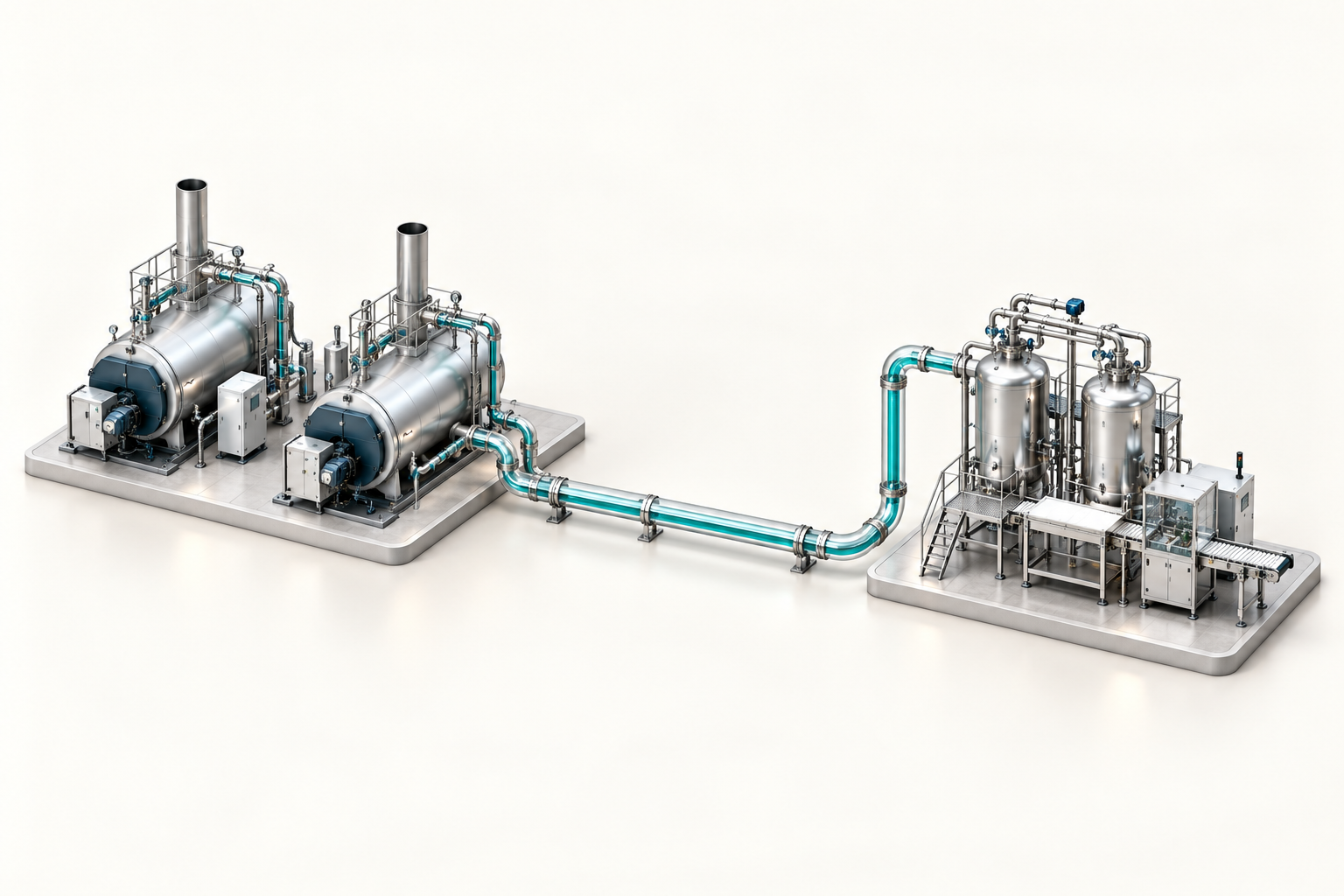
Connect steam-demand, energy and production records. Check time and conditions, then required supply and heat retention. Consumption, costs, specific consumption and system costs use their corresponding boundaries.
Start with production changes and identify the question to check.
Workflow and interface demonstration; records, times and traces are illustrative.
ADOPTION & GETTING STARTED
Start with diagnosis and planning, or proceed directly with an already defined improvement. Product and professional services are combined around the task rather than purchased in a mandatory sequence.
01 / THE PRODUCT IN OPERATING WORK
Use a synthetic scenario to see how conditions affect assessment. A site load changes and supply arrangements need review. Change the inputs to see when to seek evidence, exclude dependent options or proceed to comparison.
Workflow illustration, not a current product recordingHOW THE RESULT CHANGES
Equipment, time window and availability line up; site constraints still need checking. At this point the arrangements can be laid side by side — which one is best is settled by comparison and site confirmation, not by this page.
Assets and time window checked
Candidate comparison, reasoning and conditions to confirm
The responsible site team approves and arranges execution.
WALKTHROUGH DOES NOT CHANGE YOUR INPUTS
A change in site load affects local supply, storage availability and cooling operation. Start with the actual load the system needs to serve.
This dimensionless teaching model only illustrates a sum of two parts. It is not an energy calculation, a product algorithm or engineering advice.
45 + 35 = 80A change in either part needs a system-level assessment.
A change in site load affects local supply, storage availability and cooling operation. Start with the actual load the system needs to serve.
A clear task: review the overall arrangement while keeping supply reliable.
Put load curves, equipment status, supply relationships and operating limits back into one site. When you can see which signal belongs to whom and what it affects, the calculation that follows has its basis.
This site’s asset relationships, data meaning and operating conditions.
Use applicable efficiency, loss, forecasting and equipment-group constraint methods with site asset relationships to review supply and demand, and identify combinations worth comparing.
A basis for decisions across assets, beyond separate readings.
Consider reliable supply, asset availability and operating cost together. For example, in an asset-group review, present possible operating arrangements with the reasoning operators need to understand the choice.
An operating recommendation, its basis and conditions to confirm on site.
Operators review the recommendation, confirm site conditions and arrange execution. Subsequent operating data returns to the same task to check what improved and what still needs attention.
A transferable work record and results the next decision can use.
Another site inherits professional models and product capabilities, with its own asset and operating configuration. Partners can build applications and plugins, such as maintenance workflows. Be Water maintains the platform core.
Shared capabilities continue; site differences retain their own configuration.
Energy measurement, losses, supply–demand matching and ongoing review provide a broad starting point. Production, quality, equipment reliability and multi-site service are addressed according to the task and available expertise.
Connect energy records with assets, processes and operating conditions. Check measurement and comparison boundaries. A bill, consumption or operating change can start the work without a complete system-cost calculation.
Compare demand, supply-equipment status, service requirements and operating limits. Compare operating combinations or work arrangements; customers and site teams approve actions.
Investigate related process and equipment changes. Consider energy use together with production, quality and reliability. Quality tracking and equipment analysis follow the specific task.
In this simulated example, connect material, process and inspection records while retaining the original evidence. Professional checks lead to a response, a trial and a review of its result.
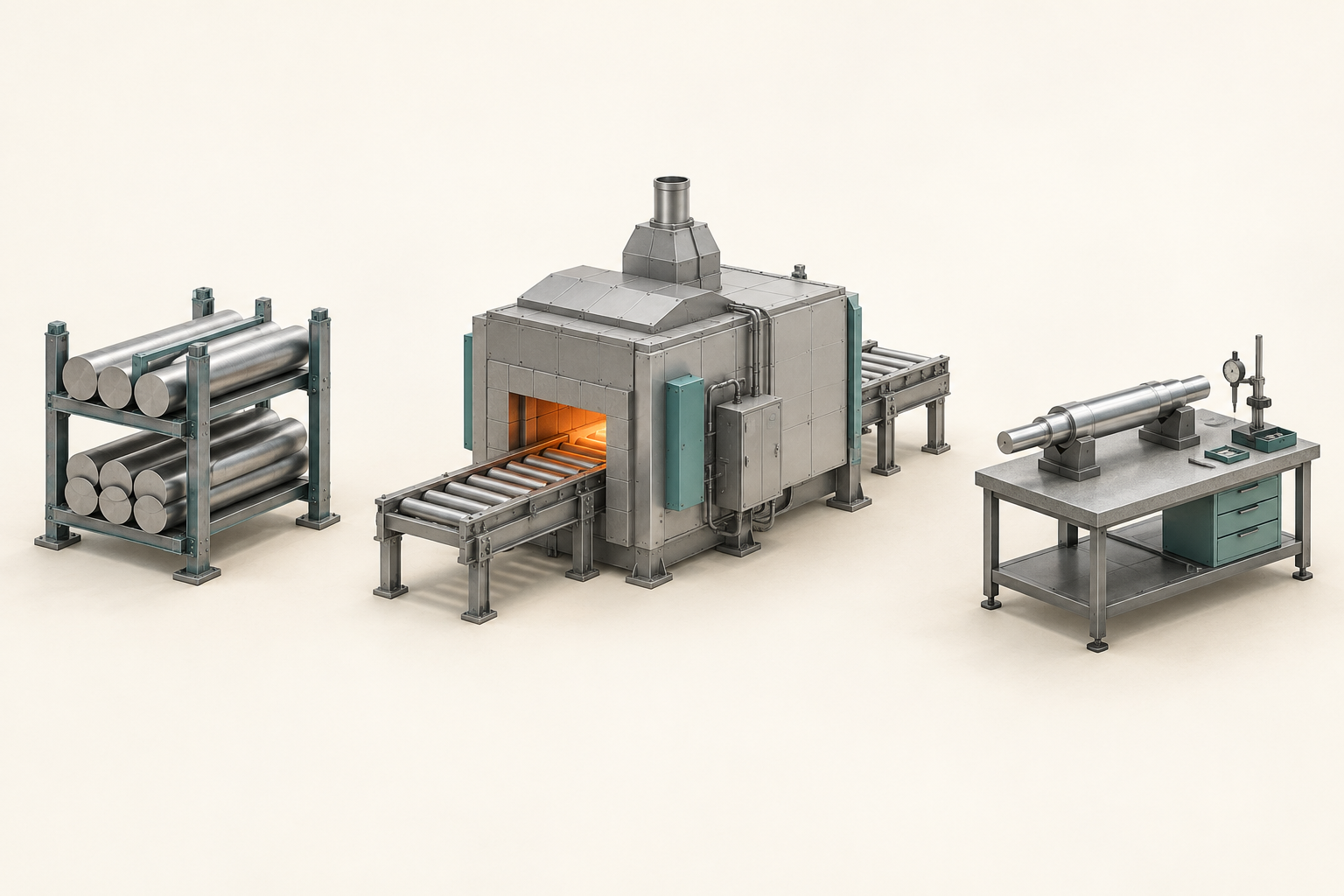 MaterialHeat treatmentInspection
All records and results are simulated. Specialists verify; the site confirms and carries out actions.
Place measurements alongside load, ambient conditions and operating time, and compare similar conditions. Site checks inform an approved maintenance plan; after restart, review the conditions and result.
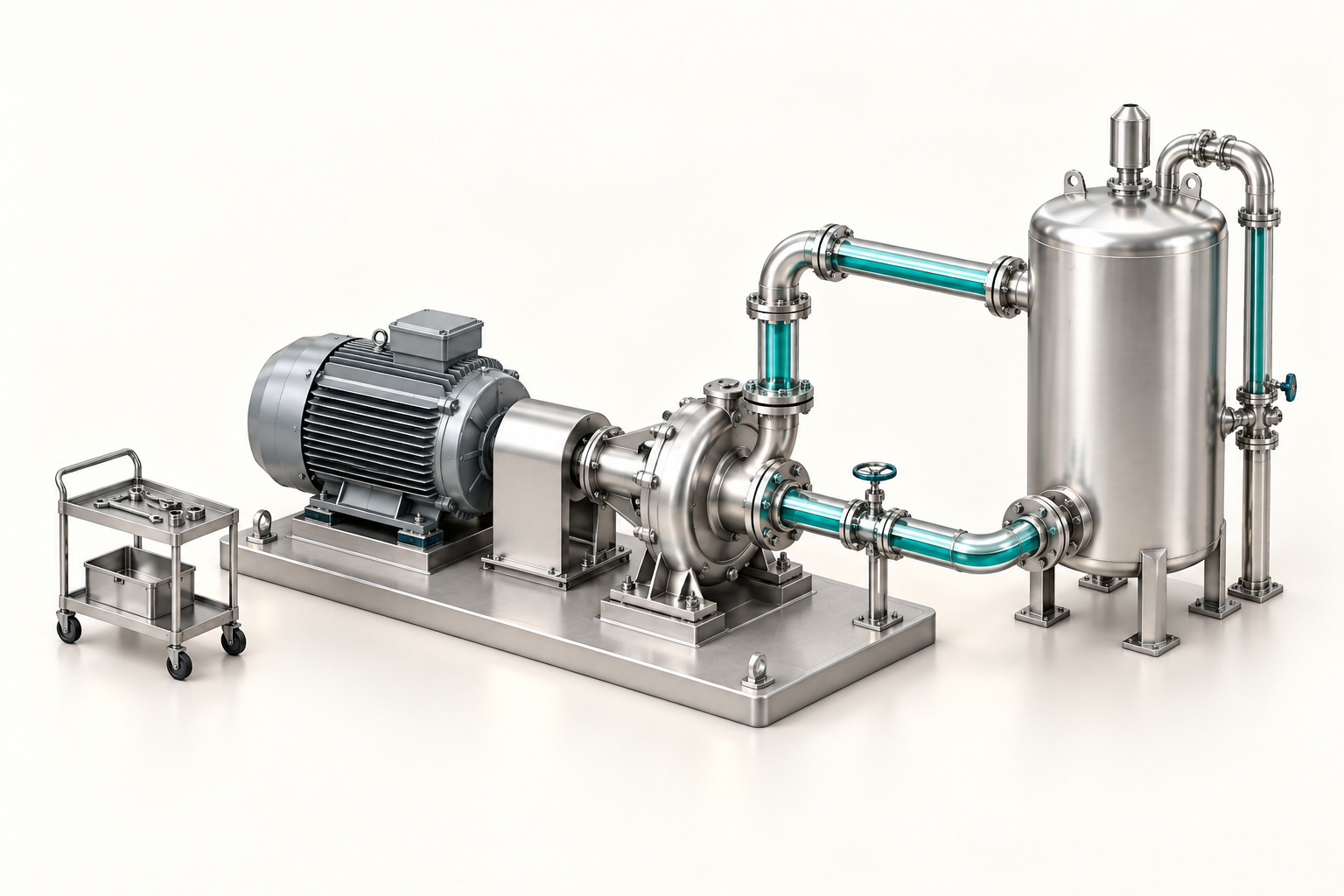 M-01
M-01Motor cooling passage
Dust restricts airflow
Clean fan cover and cooling passage
Reassemble, check, then restart
Measurements, inspections and maintenance stay linked to P-01.
Similar load and ambient: temperature rises 62 → 76 °C;
vibration stays at 2.1 mm/s.
Customer operations lead confirms the window;
site lead performs and records permitted work.
Restarted: load 72% / ambient 28 °C
Temperature 63.0 °C / vibration 2.1 mm/s
A simulated workflow and interface. Records, conditions and results are illustrative; temperatures are not safety thresholds.
Customers or partners use the product in everyday work, keeping indicators, actions and outcomes connected. New sites reuse applicable methods and address differences in assets, data and service conditions.
Assets and data, professional models, adoption conditions, data control and outcome review each have a shareable reading location.